
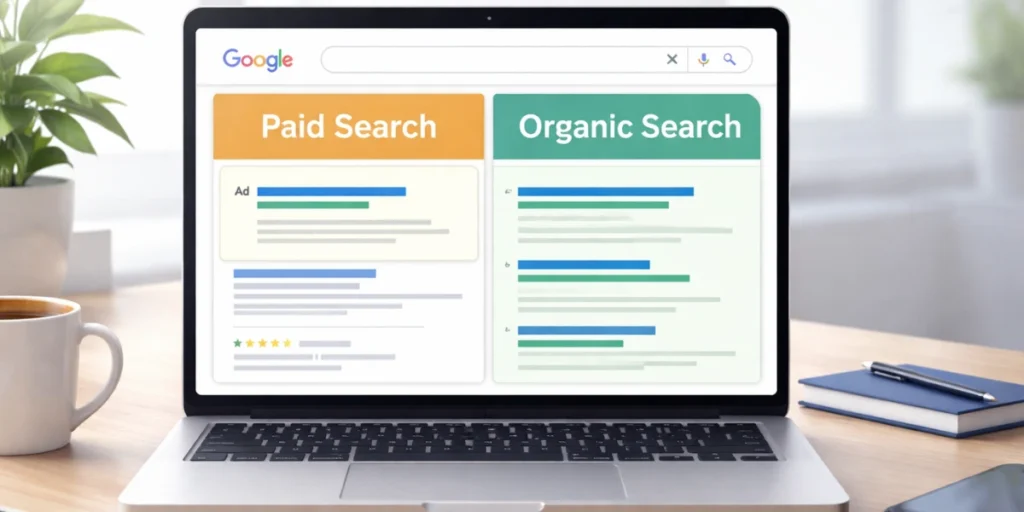
If you own a business in 2026, search marketing feels more crowded than ever.
You are not just competing for ten blue links anymore. You are competing inside a search experience filled with paid ads, AI-generated summaries, local listings, review sites, maps results, videos, and organic rankings that shift based on intent, location, and competition.
That is why the old version of this debate no longer works. The question is not simply whether SEO is “better” than Google Ads. The real question is which strategy solves the business problem in front of you right now.
Do you need leads quickly? Do you need better visibility in a crowded local market? Do you want to stop depending so heavily on ad spend? Do you need a smarter long-term growth engine instead of short bursts of traffic?
For some businesses, Google Ads is the right first move because it creates immediate visibility and helps generate data fast. For others, SEO is the smarter investment because it builds long-term authority, lowers dependency on paid traffic, and turns your website into an asset that compounds over time.
And for many businesses, the strongest answer is not choosing one forever. It is understanding how each channel works, what role it should play, and how to build a strategy that supports both short-term wins and long-term growth.
At Matchbox Marketing Group, this is where we see businesses get stuck. They are often told to either pour money into ads or “do SEO” without a clear strategy behind either one. The better move is to understand what each channel is designed to do, then align it with your timeline, goals, and market.
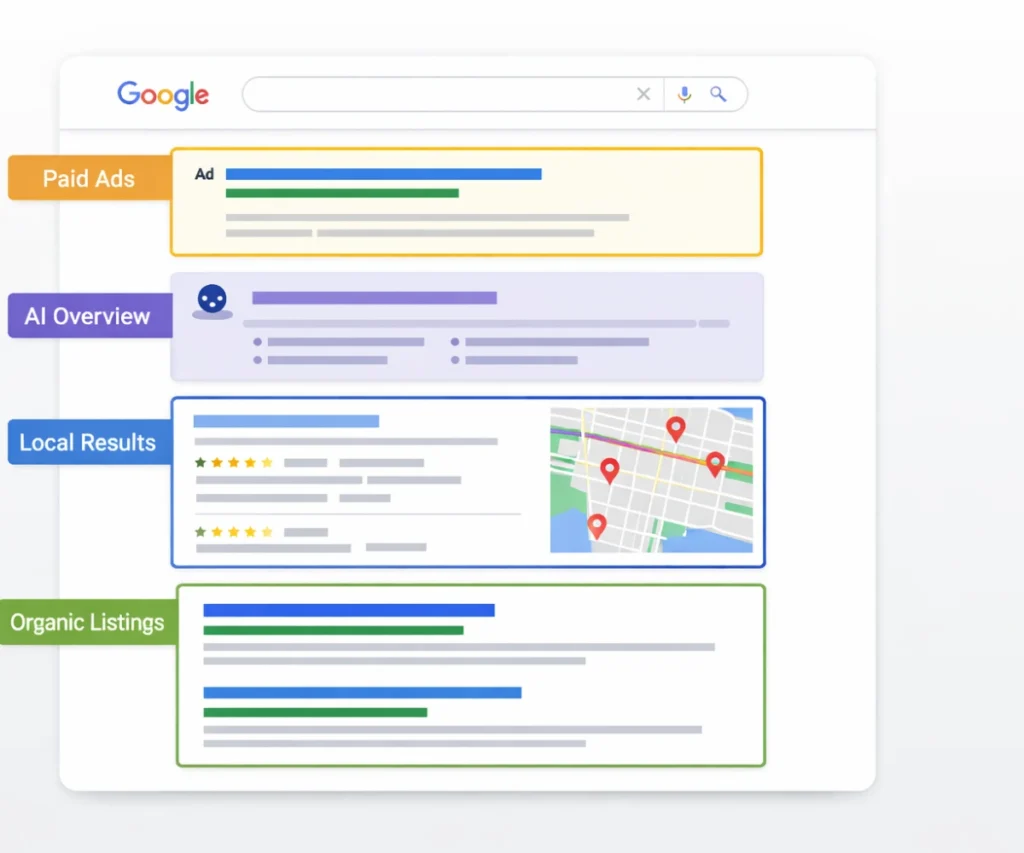
SEO Vs Google Ads In 2026
If you need visibility and leads quickly, Google Ads usually works faster.
If you want stronger long-term visibility and a more sustainable search presence, SEO usually works better over time.
That is the simplest answer, but it is not the full answer.
Google Ads helps you get in front of searchers immediately. It is useful when you need pipeline now, when you are launching a new service, or when you want to test offers and landing pages before investing more deeply in a broader search strategy.
SEO takes longer, but it builds momentum differently. Instead of renting attention one click at a time, you are building pages, authority, and relevance that can keep generating traffic long after the initial work is done.
In most cases, the right decision is not about declaring one winner. It is about deciding which channel needs to lead first.
What SEO Really Means In 2026
SEO in 2026 is not just about inserting keywords into a page and hoping it ranks.
Strong SEO now requires a mix of technical health, content quality, search intent alignment, local relevance, site structure, and user experience. A business has to show Google that its pages are useful, trustworthy, and aligned with what real people are actually searching for.
That matters because organic visibility still carries weight. When people see a business ranking naturally for useful and relevant searches, it creates a different kind of credibility. It tells them your company has presence, relevance, and a real footprint in the market.
That is especially true for service businesses and local brands.
When someone searches for a service they may trust for years, they are not only comparing offers. They are comparing professionalism, clarity, authority, and confidence. A strong organic presence helps shape all of that before a prospect even clicks.
SEO also improves more than rankings.
Done well, it strengthens service pages, content strategy, internal linking, location relevance, and conversion paths across the site. It helps a business create a cleaner and more useful digital presence overall. That is one reason SEO often produces benefits that extend well beyond traffic numbers.
What Google Ads Really Means In 2026
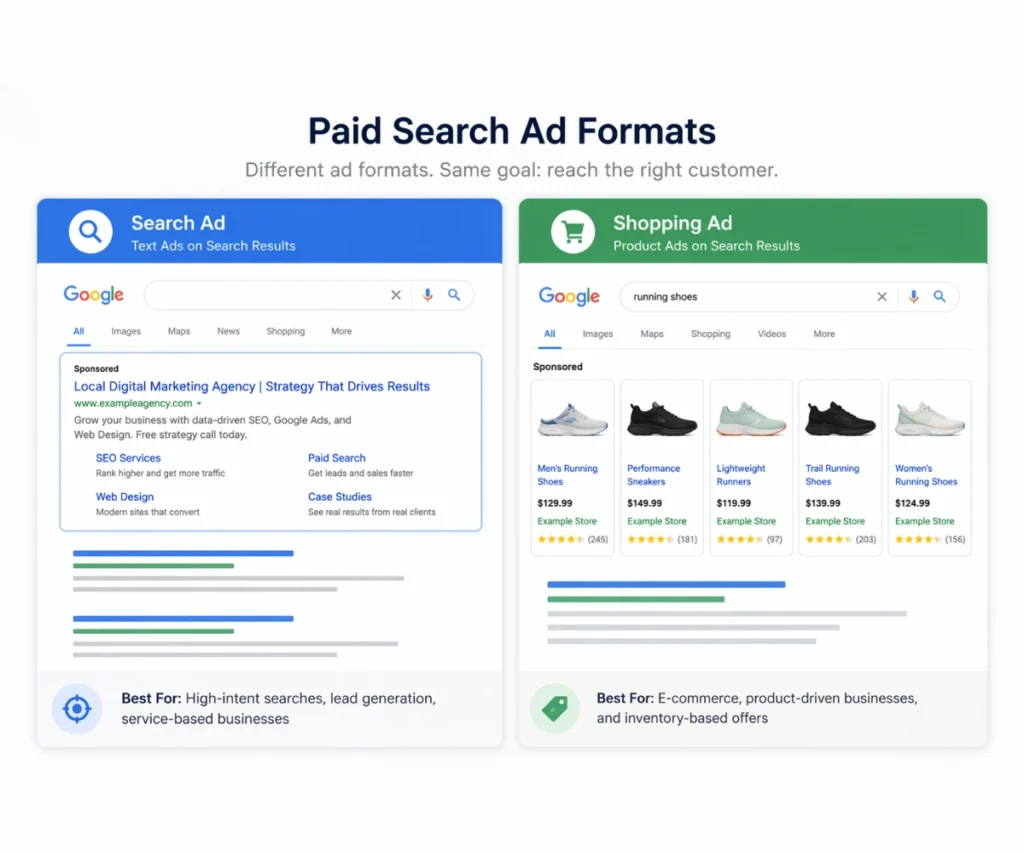
Google Ads is still the fastest way to show up for high-intent searches.
If someone is actively looking for your service and your campaign is built well, paid search can put you in front of them almost immediately. That speed is what makes Google Ads so attractive. You do not have to wait months to build traction. You can launch, test, adjust, and generate real data fast.
That speed is also what makes Google Ads dangerous when it is handled poorly.
Paid traffic does not fix weak offers. It does not fix poor landing pages. It does not fix unclear messaging, weak follow-up, or broken tracking. It simply drives exposure faster. If the rest of the system is strong, that exposure can turn into leads quickly. If it is not, it can burn through budget just as quickly.
Google Ads in 2026 also goes beyond the classic text-ad model many business owners still picture.
Search campaigns remain important, but ad visibility can also show up in broader ways across shopping placements, automated campaign types, and evolving search experiences. That means success depends more than ever on campaign structure, audience signals, landing page quality, offers, and conversion data.
In other words, Google Ads is not just a traffic source. It is a testing engine.
It can tell you what people respond to, what offers resonate, what headlines attract clicks, and which landing pages actually convert. That kind of data is valuable on its own, but it becomes even more powerful when you use it to improve your broader marketing strategy.
The Biggest Differences Between SEO And Google Ads
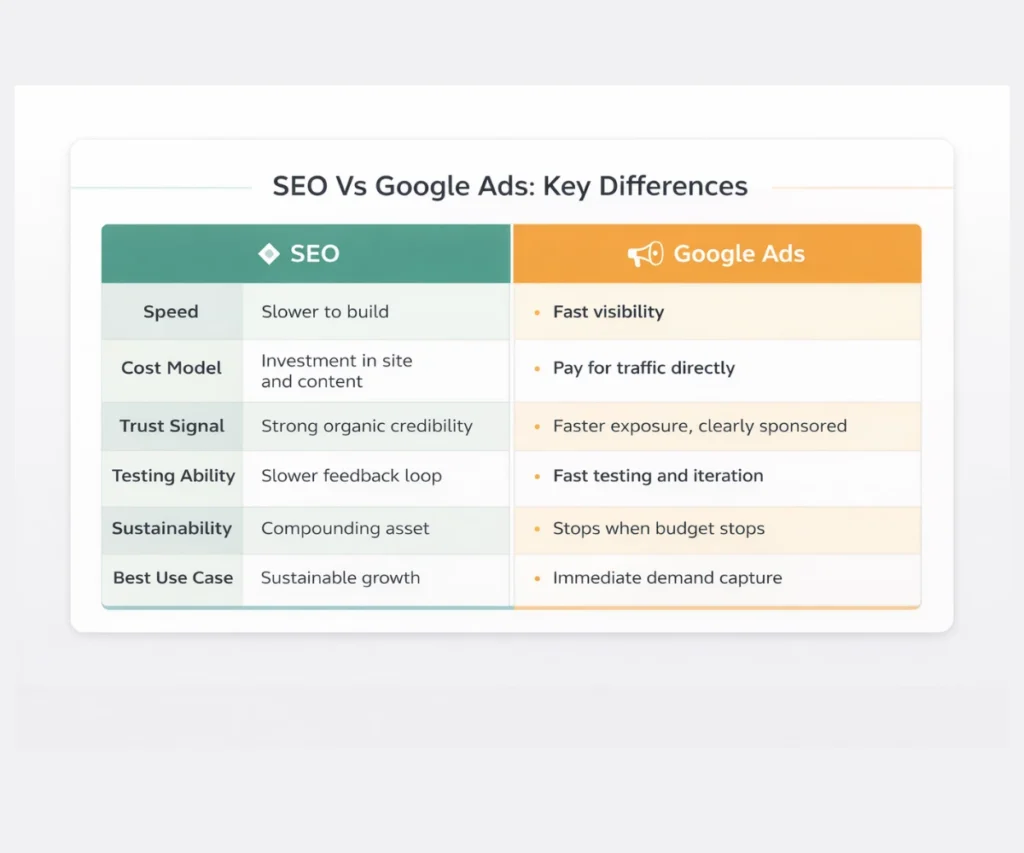
The clearest difference is speed.
Google Ads can produce traffic quickly. SEO usually requires more patience because rankings have to be earned through site quality, relevance, and authority over time.
The second difference is cost structure.
With Google Ads, you are paying directly for visibility and clicks. If you stop funding the campaigns, the traffic often drops with them. With SEO, the investment goes into strategy, content, technical improvements, and ongoing optimization. You are building an asset rather than renting attention.
The third difference is trust.
Paid search absolutely works, but many users still view organic visibility as a stronger trust signal. When a business ranks organically for important searches, it often feels more established and credible in the eyes of potential customers.
The fourth difference is control.
Google Ads gives you immediate control over budgets, keywords, targeting, timing, and landing pages. SEO is less direct. You can improve your chances of visibility, but you cannot force rankings to appear on demand.
The fifth difference is sustainability.
SEO can continue producing value long after the initial work is done. Google Ads can scale quickly, but it requires ongoing spend and management to keep performing.
Where SEO Wins
SEO wins when a business wants to build durable visibility.
It is often the better fit for businesses that want stronger rankings over time, better local authority, lower dependency on paid traffic, and a website that keeps working even when ad budgets change.
It also wins when trust matters.
For service businesses, medical practices, law firms, contractors, agencies, and other relationship-driven businesses, strong organic visibility supports the idea that the company is established and credible. That trust does not show up only in rankings. It shows up in better click behavior, stronger branded search, and a more stable flow of qualified traffic over time.
SEO is also a better long-term answer for businesses trying to own more of their category instead of just competing for paid clicks every month.
Where Google Ads Wins
Google Ads wins when speed matters more than patience.
If a business needs leads now, has a new offer to launch, wants to enter a competitive market quickly, or needs to test messaging before building a larger content strategy, paid search is usually the better first move.
It also works well for short-term promotions, seasonal pushes, urgent pipeline gaps, and new websites that do not yet have enough authority to rank organically for meaningful searches.
Google Ads is particularly useful when decision-making needs to happen quickly. A well-structured campaign can tell you within a short period whether the market responds to a certain offer, whether a landing page holds up, and whether the economics of a keyword are strong enough to justify larger investment.
That kind of feedback can save a business time and prevent wasted effort.
What Changed In 2026 And Why It Matters
The old SEO-versus-PPC conversation assumed search worked in a very simple way.
Today, search is more layered. Users ask more detailed questions. Search experiences are more dynamic. The journey from query to click is less predictable than it used to be.
That means businesses cannot look at SEO and Google Ads as isolated channels anymore.
They need to think in terms of total search visibility. Where do you appear? For which kinds of searches? What happens when someone sees your business in paid search, then searches your name later, then evaluates your organic presence before contacting you?
That is how people search now.
The quality of your website matters more because it supports everything. Weak pages hurt organic performance. They also hurt paid performance. Poor messaging raises acquisition costs. Weak structure lowers conversion rates. Thin service pages make it harder for both channels to do their job.
In 2026, the smarter move is not just driving traffic. It is building a website and search presence that deserves the traffic.
Why Google Ads Can Make Your SEO Smarter
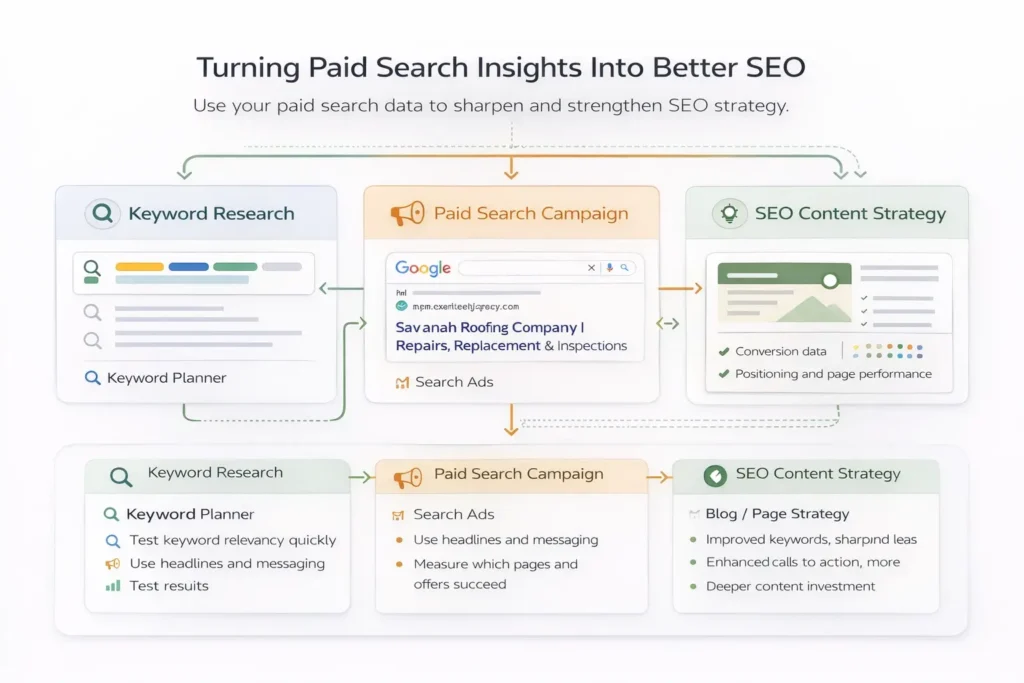
One of the biggest misconceptions in marketing is that SEO and Google Ads compete with each other.
In reality, a good Google Ads account can make your SEO strategy much sharper.
Paid search gives you faster feedback on keyword intent. If a keyword attracts clicks but produces weak leads, that tells you something important before you spend months building SEO content around it. If a service angle consistently converts, that helps you prioritize what deserves deeper organic investment.
The same applies to messaging.
Ad headlines and descriptions often reveal what people respond to most clearly. Those insights can strengthen title tags, service-page headlines, calls to action, and page structure across your site.
Landing-page performance matters too.
When ads show you which pages convert, where visitors drop off, and what kind of positioning drives action, you gain insights that improve more than paid campaigns. You improve your overall digital strategy.
That is one reason the best search strategies do not force a false choice between SEO and Google Ads. They use paid data to make organic strategy more informed, and they use SEO to build the long-term strength that paid search alone cannot create.
When SEO Should Come First
SEO should usually come first when a business wants sustainable growth and can commit to building it correctly.
That is often the case for established local businesses, professional services, regional brands, and companies that want better rankings, stronger local relevance, and less dependence on paying for every visit.
It also makes sense when the website is underperforming, even though clear demand already exists.
If people are searching for your services but your business is not showing up well organically, SEO can unlock growth by improving the pages, structure, and signals that should already be working harder for you.
For many businesses, SEO is a better foundation because it improves the site itself instead of only driving traffic to it.
When Google Ads Should Come First
Google Ads should usually come first when the need for leads is immediate.
That can include new service launches, aggressive growth goals, highly competitive categories, and businesses that need fast market feedback before making broader content or SEO investments.
It is also a practical first move for newer websites.
A newer site may not have enough authority to rank well yet, even if the business itself is strong. Paid search can create visibility while the site matures and the SEO strategy takes hold.
When speed, testing, and controlled visibility matter most, Google Ads often deserves priority.
When Running Both Makes The Most Sense
For many businesses, the strongest strategy is using both with clear roles.
Google Ads handles speed, testing, and immediate lead generation. SEO builds authority, trust, and long-term visibility. One creates faster feedback. The other creates durable growth.
This works especially well for businesses with multiple services, strong customer value, multiple locations, or a need to generate leads now while building a stronger presence over time.
The key is not doing everything at once without structure.
The key is assigning a job to each channel. Paid search can prove what works right now. SEO can expand and strengthen what deserves to keep growing.
What Works Best For Savannah Businesses In 2026
For Savannah businesses, the answer often depends on urgency, competition, and the kind of buyer you need to reach.
A service business that needs calls quickly may benefit from Google Ads first, especially if the offer is strong and the landing pages are ready to convert. That can generate visibility while the business improves its long-term SEO foundation.
But Savannah is also a market where local visibility and trust matter. People often want providers who feel established, relevant, and connected to the area. That is where SEO becomes powerful. It helps your business show up not just as an option, but as a credible local choice.
For professional services, home services, healthcare brands, and regional businesses trying to grow across Savannah and the Lowcountry, the smartest long-term approach is usually not choosing one forever. It is knowing which one should lead now and how both should support growth over time.
That is exactly where strategy matters most.
At Matchbox, we do not look at SEO and Google Ads as disconnected tactics. We look at the business first. We look at the timeline, the market, the offer, the website, and the conversion path. Then we build the search strategy around what will actually move the business forward.
Final Verdict
So, which marketing strategy works best in 2026?
If you need leads quickly, fast feedback, and immediate visibility, Google Ads usually works best first.
If you want stronger long-term rankings, more trust, and a digital presence that compounds over time, SEO usually wins in the long run.
For many businesses, the best answer is not choosing one side of the debate. It is choosing the right starting point, then building a smarter search system where paid and organic support each other.
That is how search works now.
And that is how businesses grow more efficiently in 2026.
Ready To Build A Smarter Search Strategy?
If you are trying to decide whether to invest in SEO, Google Ads, or both, the right answer is not guesswork.
It starts with understanding your market, your timeline, your website, and what your business actually needs next.
Matchbox Marketing Group helps Savannah and Lowcountry businesses build strategy-first search marketing that drives real business outcomes. That means clearer priorities, stronger execution, and a plan built around leads, visibility, and long-term growth.
If your business is tired of vague reporting, disconnected tactics, or marketing that feels busy but not effective, we should talk.
Let’s build a search strategy that fits your business, not just the trend of the moment.
FAQs
Which Is Better In 2026, SEO Or Google Ads?
Neither is universally better in every situation. Google Ads is usually better for speed, while SEO is usually better for long-term visibility and sustainable growth. The better choice depends on your goals, budget, competition, and timeline.
Does Google Ads Help SEO Rankings?
Google Ads does not directly improve organic rankings. What it can do is provide faster data on keywords, offers, messaging, and landing pages, which can make your SEO strategy more informed and more effective.
Is SEO Still Worth It For Small Businesses In 2026?
Yes. SEO remains one of the strongest ways for small businesses to build trust, improve local visibility, and create a website that keeps attracting qualified traffic over time.
Should I Invest In SEO Or Google Ads First?
If you need leads fast, Google Ads is often the better first move. If you are building for longer-term visibility and stronger organic presence, SEO may deserve priority. Many businesses benefit from a phased strategy that uses both.
How Long Does SEO Take Compared To Google Ads?
Google Ads can drive traffic shortly after launch. SEO usually takes longer because rankings must be earned through content quality, technical strength, competition, and authority. It is slower, but it can deliver stronger long-term value.
When Should A Business Use Both SEO And Google Ads?
A business should use both when it needs immediate lead flow and long-term growth at the same time. This is often the best fit for established companies, multi-service businesses, and brands with enough budget to support a more complete search strategy.